Farm Centre History
The Following Article Appeared in Oxfordshire Living 07
On our quest to find out about the state of our farming industry in the county, we visited this month a well established and very successful farm shop in West Oxfordshire, Millets Farm. This is a second generation family farm, owned and run by brothers Nigel and Tony Carter whose father started the process of diversification back in the 1970s.
John moved to Garford on his marriage in 1952 and established a mixed livestock and arable farm, working hard to produce the huge food requirement the country had after the war. Technical advances around this time brought the farming industry many benefits. Fertilizers and pesticides enabled them to increase their output to meet the needs of the country. Yields were increased and all farmers were encouraged to maximize efficiency. Throughout the country hedges were grubbed out to allow large machinery to operate freely, new breeds of plants and animals were developed and refined and, as a result, a huge proportion of our food needs were met by our own production.
With the benefit of hind-sight, knowing what we now know about the dangers of some chemicals, the effects of the removal of the wind-breaks and the resulting open spaces which allowed erosion and loss of topsoil, we tend to look at that period as one of over production and exploitation. At the time, however, we would have looked askance at a farmer who declined to use everything in his power to produce the volumes we so badly needed.
As the world economy grew and imports started to arrive from all over the place, offering out of season goods at highly competitive prices, alarm bells started to ring amongst the more enlightened farmers. Add to that the perception that pesticides were having detrimental effects on our health and suddenly all kinds of problems presented themselves to our farming community. It was fast becoming clear that traditional farming was going to have to change as quickly as our lifestyles and habits were changing. The cleverest and most business minded amongst them started to look at ways of diversifying and adding value to their produce.
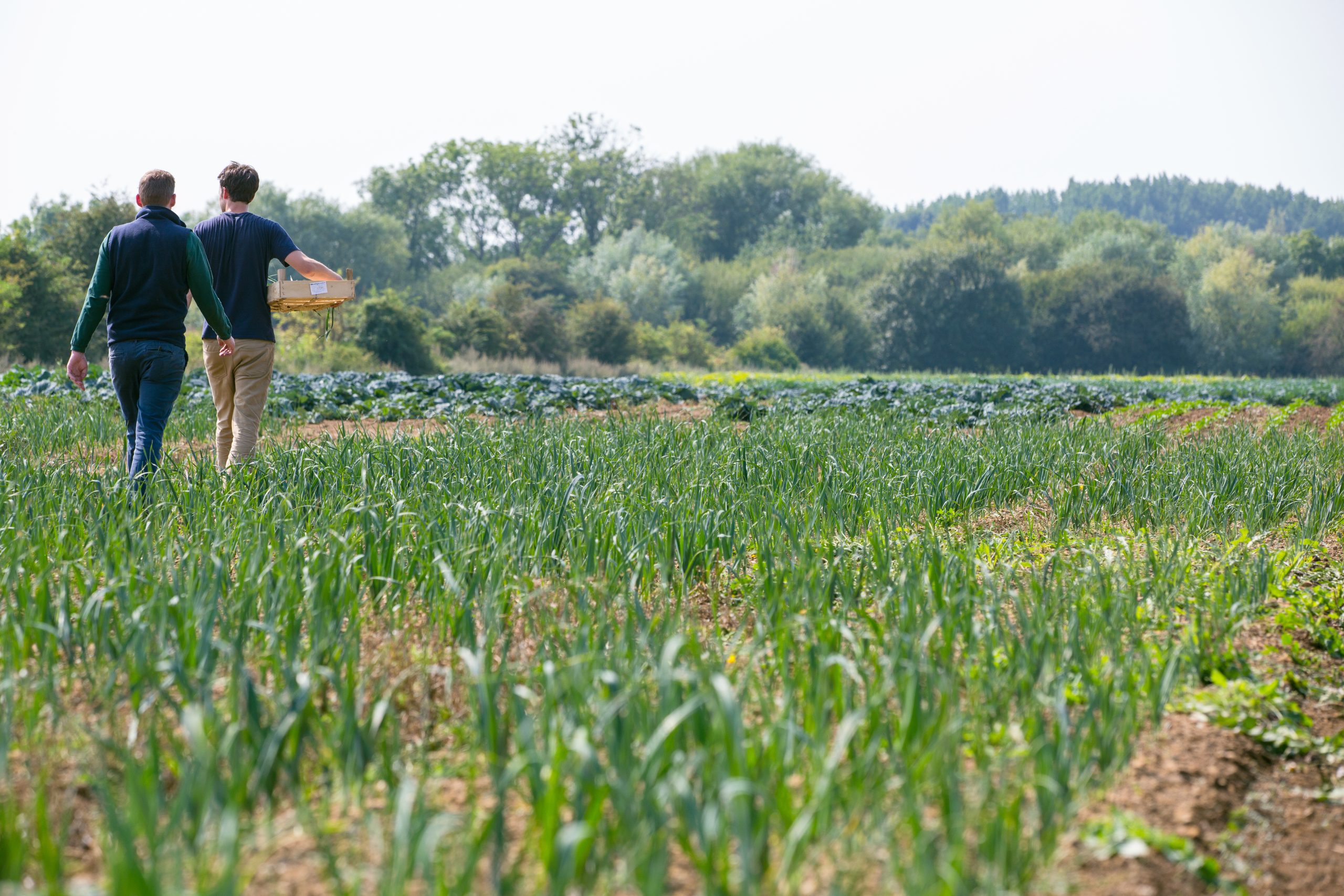
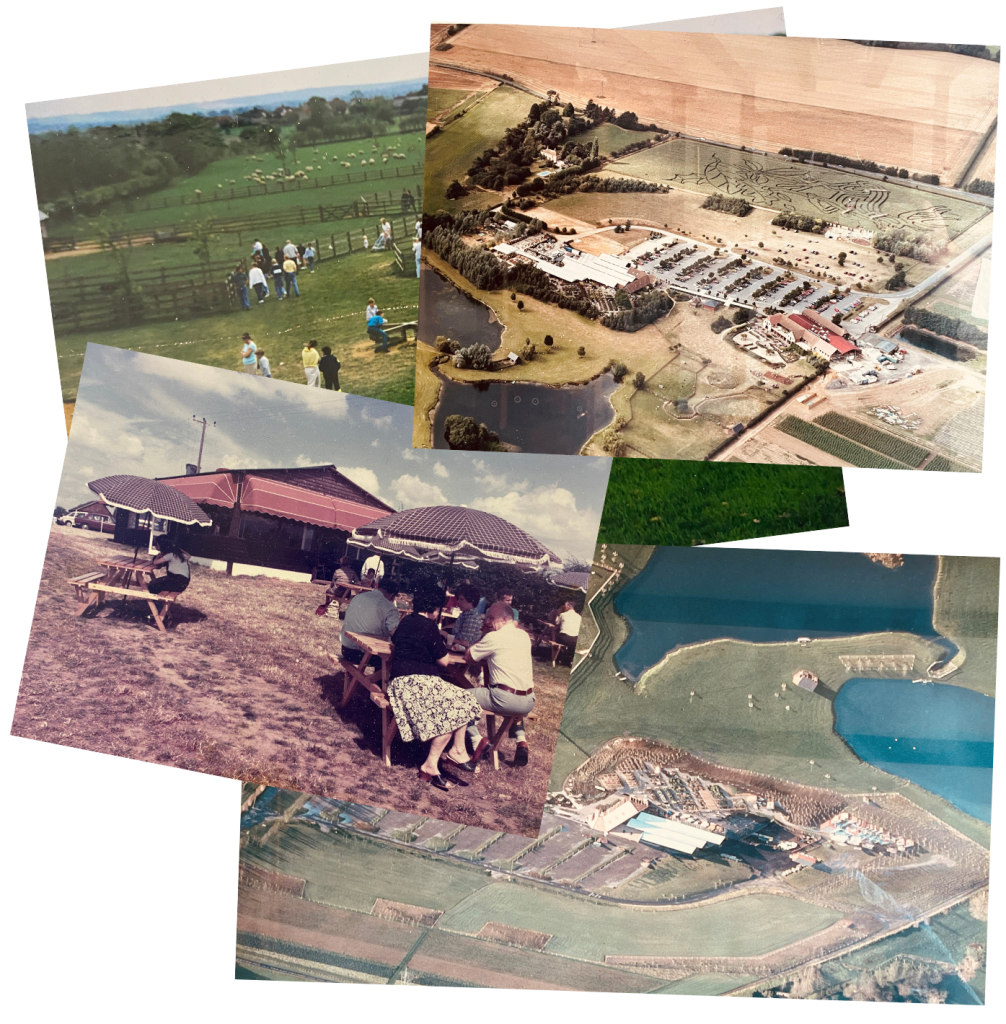
In the mid 1970s the Carter family at Millets Farm put their toe in the water. They set aside five acres of land to grow strawberries, and started one of the earliest “pick your own” enterprises. We are all familiar with the idea now, but then it was highly innovative. They had seen the idea in the United States and realized that this was an extremely cost-effective way of providing produce. I think anyone who has picked their own fruit or vegetables will admit that, on top of the fact that you go away with the freshest possible food, half the fun is in the picking itself. It is also impossible to resist picking quite a lot more than you actually need. For the farmer, therefore, it is a reduction in labour cost and an increase in the sale value per customer at the same time as improving the buying experience; an almost perfect marketing exercise.
The pick your own was very successful, albeit seasonal, and showed the way to an increasingly business orientated means of farming. In the 1980s the Carter family put in a planning application for a garden centre. In the eighties the planning priorities were a little different from now. I cannot be certain but my feeling is that if this application was put in today it would have a very small chance of success. In the 80s however it was successful and the garden centre, franchised out to a national chain, created another source of income for the farm. The Carters knew that they didn’t really know enough about the garden centre business to run it themselves so the franchise idea was clearly the most sensible option. Today the Garden Centre is a thriving business and draws people to the farm in large numbers. This increase in footfall was a blessing also to the farm pick your own business and it became obvious that an increase in the size of the farm shop would be a sensible move. In the early 90s the Carters got permission to expand the shop from what was a basic shed business into a far more substantial store.
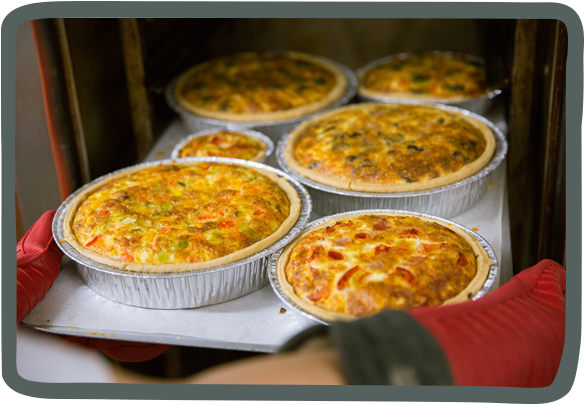
The Millets Farm shop is now a wonderful shopping experience. A very large proportion of their own produce is sold here, and they buy in what they can’t produce themselves. Much of the bought in stock is locally produced giving other local farms a great alternative outlet, and they also support other local small businesses. The have a selection of fantastic bakery, (I particularly recommend their frozen croissants which you bake yourself.) a great butcher, fishmonger and even a wine store supplied by the local Oxford Wine Company.
The shop is not really intended to be a substitute for the supermarkets as they don’t stock washing powder, but it does provide us with a great alternative for most fresh food. In this day and age when we are all keen to know of the provenance of our food, and even have an eye on the ecological friendliness of what we buy, a central point to purchase food that has traveled no distance is clearly a boon. The success of this shop is a clear indication that the buying habits of the county are changing. People come from miles around for the experience. Nigel Carter overheard one of his customers the other day say “I love coming here. It makes me feel as if I am on holiday”. It is true that it feels far more like a continental market than an English farm shop. It even goes some way to help us remember the seasons. Whilst they do bring some fresh produce in from abroad when they are out of season, the immediate success, for instance, of asparagus sales during our local harvest time indicates that we are aware of the enjoyment of eating with the seasons. An instinct the supermarkets, with their all year round supply of almost everything, have dulled in us all.
No business survives by standing still and Millets Farm now has several other draws to bring us to the place. It has fishing lakes, fed from the river, it will have a maize maze later in the year and they have planted a new wood to celebrate the bicentenary of Trafalgar. The wood contains native British species including Oak, Ash, Poplar and Willow and forms part of a wetland area alongside the River Ock. “Our aim is to build on the resources that Millets Farm Centre already provides by adding a tranquil woodland walk alongside the River Ock, adding an exciting extra dimension to the facilities already on the site” says Tony Carter. He adds “this is a very appropriate way of celebrating Nelson’s victory in this bi-centenary year, with a conservation project in the Oxfordshire countryside”. They even have small electric tractors for children to drive around a track. They used to have go-carts but they were a little more trouble than they bargained for and the tractors are quieter and safer.
We will be visiting all kinds of innovative farming enterprises over the next few months but Millets farm, having been going for such a long time now, is a fine example of the end result of an enlightened farming business man with a strong commercial instinct, spotting the need to diversify and adapt to modern circumstances.